


 KO
 JP
 CN
 TH
 VN
 MG
Is a Hysterectomy Necessary? Uterine Fibroids & Adenomyosis
Uterine fibroids and adenomyosis do not always require a hysterectomy. Treatments such as medication, myomectomy, and HIFU may help preserve the uterus, though surgery may still be necessary in severe cases.
One of the most frightening things to hear in a gynecologist's office is,
"You need to have your uterus removed."
Many women diagnosed with fibroids or adenomyosis fear losing their uterus more than the condition itself.
However, having a uterine condition does not automatically mean that the uterus must be removed. Modern gynecology offers various treatment options, including preserving the uterus whenever clinically safe and appropriate.
1. Do Fibroids Always Require Surgery?
Not all uterine fibroids require treatment. The decision depends on symptoms, fibroid size and location, and their effects on surrounding organs.
For example, a large fibroid compressing the ureter may cause hydronephrosis and potentially damage kidney function, requiring prompt medical intervention.
On the other hand, small, asymptomatic fibroids often require only regular monitoring. Some fibroids may also shrink naturally after menopause.
The key is not simply whether fibroids are present, but whether they are affecting your health and quality of life.
2. Uterus-Preserving Treatment Options
In the past, hysterectomy was frequently recommended for large fibroids or severe adenomyosis.
Today, various uterus-preserving treatments are available.
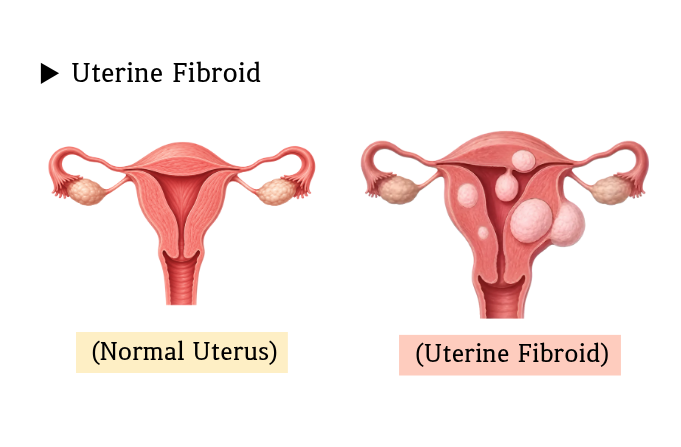
For Uterine Fibroids: Myomectomy (including robot-assisted approaches),
HIFU (High-Intensity Focused Ultrasound), uterine artery embolization, and medication.
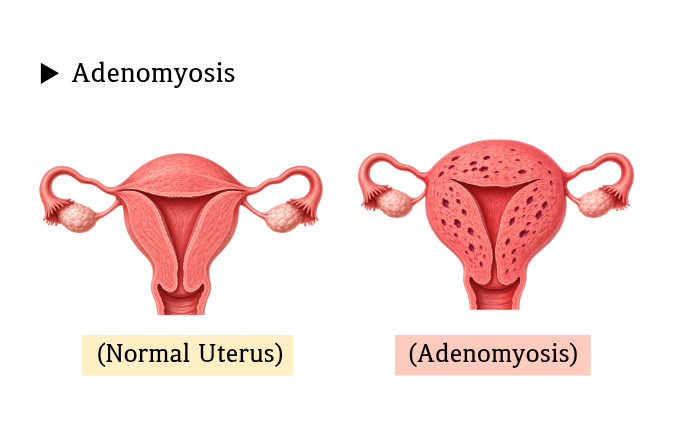
For Adenomyosis: Hormonal therapy, the Mirena IUD, and uterus-preserving surgery in selected cases.
However, not every treatment is suitable for every patient.
Treatment decisions depend on factors such as age, symptom severity, anemia, fibroid size and location, and future pregnancy plans.
The goal is to select the most appropriate treatment while preserving the uterus whenever medically possible.
3. When Is a Hysterectomy Truly Necessary?
Although preserving the uterus is often preferred, a hysterectomy may be necessary in certain situations.
Gynecological Cancers: A hysterectomy may be an important treatment for certain cervical, endometrial, or ovarian cancers, depending on the cancer type and stage.
Emergency Bleeding: Severe, uncontrollable bleeding after childbirth may require an emergency hysterectomy to save the patient's life.
Severe Benign Conditions: Persistent heavy bleeding, severe pain, or pressure on surrounding organs caused by fibroids or adenomyosis may lead to consideration of a hysterectomy when other treatments are ineffective or unsuitable.
In these situations, surgery may be the safest and most effective option for protecting a patient's health.
Rather than simply asking, "Do I have to remove my uterus?" it is important to ask, "Is removing my uterus truly necessary for my condition?"
A thorough evaluation and consultation with an OB-GYN specialist can help determine the most appropriate treatment.
Frequently Asked Questions (FAQ)
Q1. Will I Go Into Menopause Immediately After a Hysterectomy?
A. Not necessarily. If the ovaries are preserved, they generally continue producing female hormones even after the uterus is removed.
Although menstruation stops after a hysterectomy, menopause does not necessarily occur immediately unless both ovaries are also removed.
Q2. Does Removing the Uterus Cause Rapid Aging?
A.Not necessarily. The ovaries play a major role in hormone production, so preserving them generally helps maintain hormonal function.
However, some studies suggest that ovarian function may decline earlier after a hysterectomy, even when the ovaries are preserved.
For this reason, uterus-preserving treatments should be considered whenever medically appropriate.
Q3. Can I Still Have Sex After a Hysterectomy?
A. Yes. Most women can resume sexual activity after recovering from a hysterectomy.
In a standard hysterectomy, the vagina is generally preserved, allowing sexual intercourse to remain possible.
However, sexual function and comfort may vary depending on the extent of surgery, individual healing, and whether additional treatments, such as radiation therapy, are required.
[At Gangnam Daum Women's Clinic], we carefully consider each patient's symptoms, examination findings, age,
and future pregnancy plans when discussing individualized treatment options.
Preserving the uterus is important, but protecting a woman's overall health and quality of life is equally essential.
If you have been advised to undergo a hysterectomy or are concerned about uterine fibroids or adenomyosis, we encourage you to consult an OB-GYN specialist and thoroughly discuss the treatment options most appropriate for your condition.
