


 KO
KO JP
JP CN
CN TH
TH VN
VN MG
MGVaginoplasty Is More Than Just Tightening
“I feel less friction during intercourse than before.”
“Water enters the vagina while taking a bath.”
“I have developed vaginal flatulence after childbirth.”
These are common concerns frequently raised during gynecological consultations.
Vaginal laxity can result from various factors—including childbirth, aging, and repeated increases in intra-abdominal pressure.
It may affect not only physical function but also quality of life and confidence.
Vaginoplasty is often considered as an option, but a common misconception is that the procedure merely involves narrowing the vaginal cavity.
In clinical practice, surgical treatment is not simply about removing the mucosal layer. Optimal outcomes depend on how accurately the supporting anatomical structures—including the pelvic floor muscles, perineal body, and vaginal mucosa—are reconstructed.
Causes of Vaginal Laxity
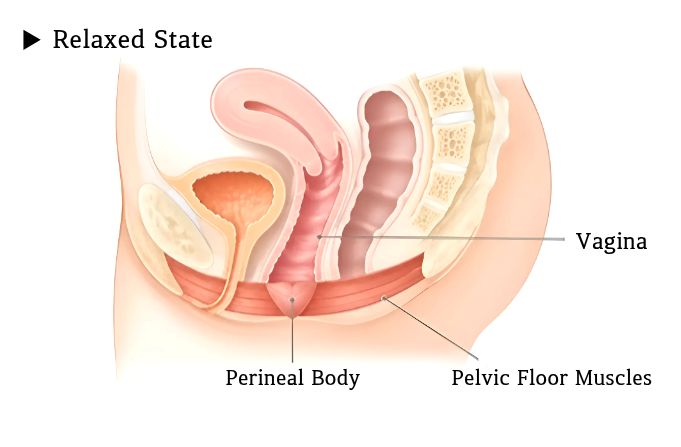
The vagina is supported by a complex network of interconnected tissues, including:
·Vaginal mucosa
·Pelvic floor muscles
·Perineal body
·Rectovaginal septum (the tissue supporting the posterior vaginal wall)
When these structures are stretched or damaged due to pregnancy, delivery, aging, or repetitive mechanical stress, vaginal laxity occurs.
This condition may present with symptoms such as:
·Vaginal flatulence (queefing)
·Reduced friction during intercourse
·Decreased vaginal resting pressure
·A sensation of looseness
The Objective: Anatomical Reconstruction
Surgical intervention aimed solely at trimming mucosal tissue often leads to temporary or insufficient results. For long-term functional recovery, the procedure must focus on anatomical reconstruction of the underlying muscular and connective tissue layers.
An anatomical approach addresses each layer individually:
Vaginal mucosa
Fascial layer
Pelvic floor muscles
Perineal body
Restoring these distinct layers helps achieve a more natural structure and long-lasting stability.
The Role of the Vaginal Mucosa
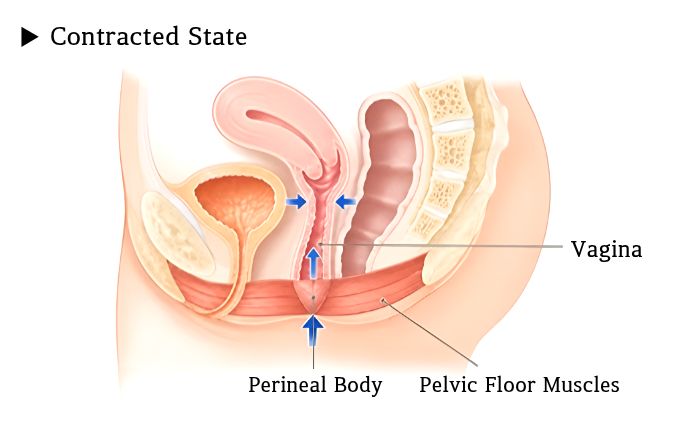
The vaginal mucosa serves important physiological functions and should not be excessively excised. Over-resection may result in:
·Vaginal dryness
·Postoperative discomfort
·Loss of elasticity
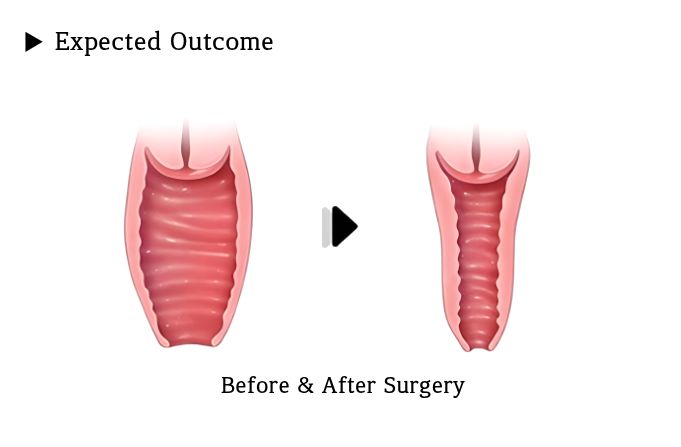
Preserving mucosal tissue while restoring natural rugae (folds) helps decrease internal diameter while maintaining natural friction and tissue elasticity.
The Role of the Pelvic Floor Muscles
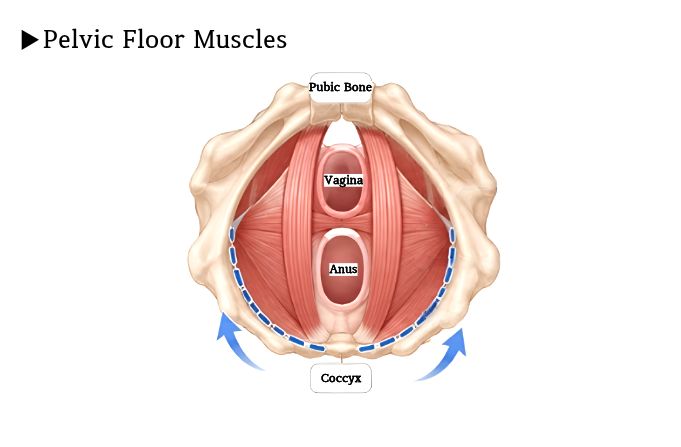
The pelvic floor muscles support both the vagina and rectum, playing a key role in:
·Maintaining resting vaginal pressure
·Muscle contraction during intercourse
·Structural support for pelvic organs
If only the superficial mucosal layer is tightened while the underlying pelvic floor muscles remain separated, recurrence of laxity is likely over time. Reconnecting and reinforcing the muscle layer is therefore a critical component of the procedure.
Postoperative Assessment
Evaluation does not end with the surgical procedure itself.
Objective measurement of recovery and functional improvement is an essential part of care.
Post-recovery evaluations may include:
·Vaginal pressure measurement (Perineometry)
·Pelvic floor muscle function assessment
·Anatomical status verification
These objective measurements help both the clinician and the patient assess functional recovery accurately.
Non-Surgical vs. Surgical Treatment Options
Surgery is not required for all cases of vaginal laxity.
Mild symptoms can often be managed with non-surgical interventions, such as:
·Pelvic floor muscle training (Kegel exercises)
·Energy-based non-invasive therapies
However, in cases involving severe tissue separation or significant post-childbirth laxity, surgical reconstruction offers a more definitive functional outcome.
