


 KO
KO JP
JP CN
CN TH
TH VN
VN MG
MGEarly Pregnancy Miscarriage Symptoms: Types of Miscarriage and Warning…
Bleeding, abdominal pain, or changes in morning sickness during early pregnancy do not necessarily indicate a miscarriage.
Because some miscarriages may occur without noticeable symptoms, an ultrasound examination is important for an accurate diagnosis.
“I’m in early pregnancy and noticed some bleeding. Is everything okay?”
“My morning sickness suddenly improved. Could this be a miscarriage?”
“I have mild lower abdominal pain. Should I see a doctor?”
During early pregnancy, even small changes such as bleeding, discharge, abdominal pain, or changes in morning sickness can cause concern about miscarriage. Today, we’ll discuss the types of miscarriage, common symptoms, and warning signs that require medical attention.
Table of Contents
1.Does Bleeding in Early Pregnancy Mean a Miscarriage?
2.What Are the Different Types of Miscarriage?
3.Can a Missed Miscarriage Occur Without Symptoms?
4.What Symptoms Require Medical Attention?
5.Does a Decrease in Morning Sickness Mean a Miscarriage?
6.When Can You Try to Conceive Again After a Miscarriage?
1. Does Bleeding in Early Pregnancy Mean a Miscarriage?
Many women become worried and visit an obstetrics and gynecology clinic after noticing brown discharge on their underwear during early pregnancy. However, bleeding during pregnancy does not necessarily mean a miscarriage.
Bleeding can occur during the implantation process or because the cervix becomes more sensitive during pregnancy.
In some cases, a small amount of blood may collect inside the uterus and later be discharged.
On the other hand, a miscarriage can also be discovered even when there has been no bleeding.
Therefore, it is difficult to determine whether a miscarriage has occurred based solely on the presence or absence of bleeding. The most important step is to confirm the condition of the pregnancy objectively through an ultrasound examination.
2. What Are the Different Types of Miscarriage?
Many people think of miscarriage as a single condition, but medically, miscarriages can be classified into several different types.
1) Threatened Miscarriage
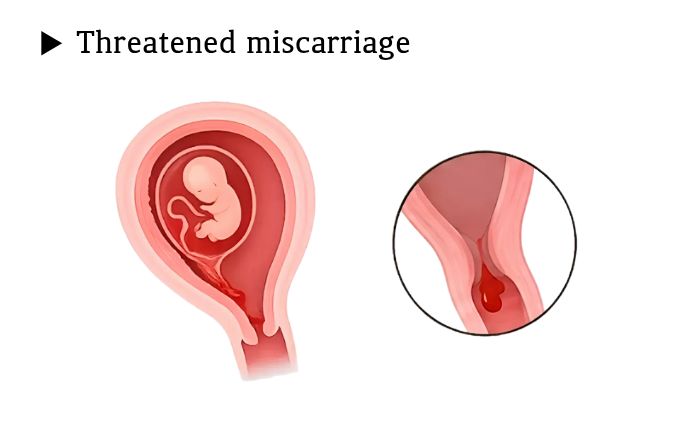
A threatened miscarriage refers to bleeding during pregnancy while the pregnancy is still ongoing. The baby may continue to develop normally with a heartbeat, so being diagnosed with a threatened miscarriage does not necessarily mean that a miscarriage has occurred or will occur.
Although the term can be alarming, it is important to understand that bleeding alone does not mean the pregnancy will end in miscarriage.
2) Missed Miscarriage
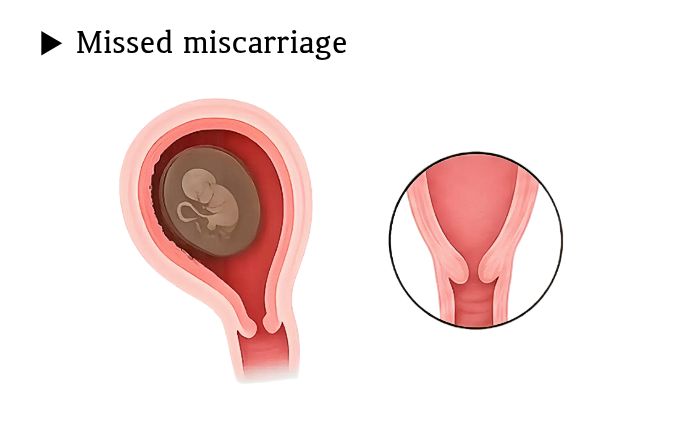
A missed miscarriage occurs when the baby remains in the uterus but the heartbeat has stopped, often without noticeable symptoms. Some women may continue to experience morning sickness and breast tenderness and only discover the miscarriage during an ultrasound examination.
The most common cause in early pregnancy is fetal chromosomal abnormalities. It is important to remember that miscarriage is usually not caused by lifting something heavy, working too much, stress, or lack of sleep.
3) Inevitable Miscarriage
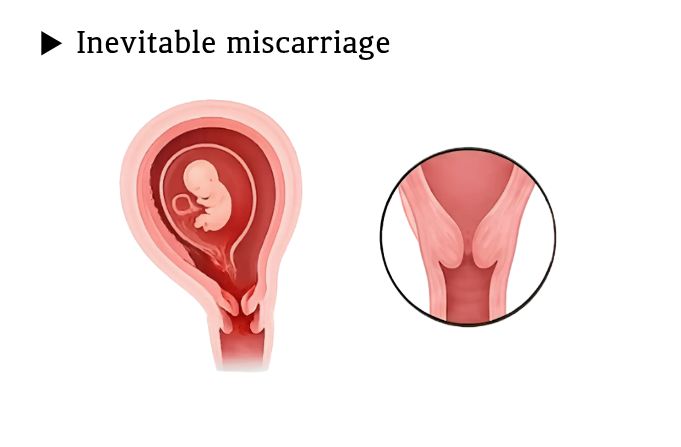
An inevitable miscarriage refers to a situation in which the cervix has opened or the gestational sac has moved downward and is already positioned near the vaginal opening, making progression to miscarriage highly likely.
In other words, it is a stage at which miscarriage is difficult to prevent.
4) Incomplete Miscarriage
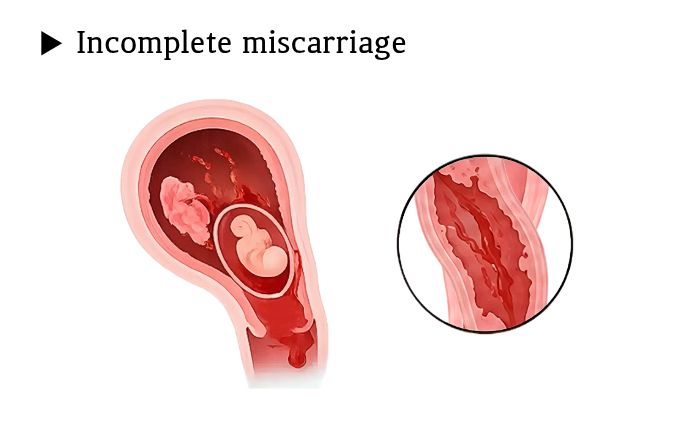
An incomplete miscarriage occurs when the miscarriage has progressed but some placental tissue or other pregnancy tissue remains inside the uterus.
5) Complete Miscarriage
A complete miscarriage occurs when the gestational sac and pregnancy tissue have been completely expelled naturally, leaving no remaining tissue inside the uterus.
3. Can a Missed Miscarriage Occur Without Symptoms?
A missed miscarriage can occur without obvious symptoms such as bleeding or abdominal pain. Some women may even continue to experience morning sickness and only discover the miscarriage during an ultrasound examination.
Therefore, physical symptoms alone cannot reliably determine whether a miscarriage has occurred. An ultrasound examination is the most accurate way to evaluate the pregnancy.
4. What Symptoms Require Medical Attention?
Bleeding or abdominal pain during early pregnancy does not always mean a miscarriage.
However, certain symptoms should be evaluated by a medical professional.
Persistent Bright Red Bleeding
If bright red blood continues to appear rather than only brown discharge, medical evaluation is recommended.
Bleeding Heavier Than a Normal Period
If the amount of bleeding is greater than your usual menstrual flow or you need to change a sanitary pad every two to three hours, it is important to visit a hospital or clinic for an evaluation.
Passing Blood Clots or Tissue-Like Material
If something resembling a blood clot or tissue is discharged, it may contain pregnancy tissue. An ultrasound examination may therefore be necessary.
Persistent Severe Abdominal Pain
If abdominal pain is more severe than typical menstrual cramps or occurs repeatedly in a pattern similar to contractions, medical attention is recommended.
Severe Back Pain or Pelvic Pressure
Severe back pain accompanied by abdominal pain or a feeling of pressure in the pelvis should also be evaluated carefully.
Dizziness or Cold Sweats
If you suddenly experience dizziness or cold sweats, you should seek medical attention promptly.
Rather than relying on information found online,
the most important step is to receive an accurate medical evaluation and confirm the current condition of the pregnancy.
5. Does a Decrease in Morning Sickness Mean a Miscarriage?
A decrease in morning sickness alone does not mean that a miscarriage has occurred.
Morning sickness can naturally fluctuate, with symptoms becoming stronger or milder from day to day.
In addition, morning sickness may continue even in cases of missed miscarriage.
Therefore, it is difficult to determine the condition of a pregnancy based only on changes in symptoms.
Regular prenatal checkups and ultrasound examinations are the most reliable way to evaluate the pregnancy.
6. When Can You Try to Conceive Again After a Miscarriage?
In the past, women were often advised to wait for about three menstrual cycles after a miscarriage before trying to conceive again.
However, recent research suggests that if a woman feels emotionally ready, she may not need to wait several cycles.
The appropriate timing can vary depending on the type of miscarriage, whether surgery was required, and the woman's overall health and medical history. It is best to discuss the timing of a future pregnancy with your doctor.
Frequently Asked Questions (FAQ)
Q. Does bleeding during early pregnancy mean that I am having a miscarriage?
A. Not necessarily. Bleeding during pregnancy does not always indicate a miscarriage,
and a miscarriage can occur without bleeding. An ultrasound examination is important for an accurate evaluation.
Q. Can a missed miscarriage occur without symptoms?
A. Yes. A missed miscarriage can sometimes be discovered on ultrasound even when there is no bleeding or abdominal pain and morning sickness continues. Therefore, it is difficult to determine whether a miscarriage has occurred based only on physical symptoms.
Q. Does a miscarriage happen because the mother did something wrong?
A. A common cause of early pregnancy miscarriage is fetal chromosomal abnormalities.
Therefore, women should not blame themselves for lifting heavy objects, working too much,
experiencing stress, or not getting enough sleep.
After a miscarriage, it is important to receive proper medical care and focus on preparing for a future pregnancy.
During early pregnancy, even small changes in your body can cause anxiety.
Rather than trying to determine whether a miscarriage is occurring based on symptoms alone,
if you have any concerning symptoms, please visit an obstetrician-gynecologist for an accurate examination and medical evaluation.
