


 KO
KO JP
JP CN
CN TH
TH VN
VN MG
MGVaginal Laser Treatment: Can It Help with Vaginitis, Vaginal Dryness, …
Vaginal laser treatment is not a procedure that directly cures or eliminates vaginitis in a single session.
Instead, it uses targeted energy to stimulate the vaginal mucosa and surrounding tissues, supporting tissue regeneration.
Depending on an individual’s symptoms and condition, it may be considered for vaginal dryness, atrophy, laxity, postpartum changes,
and mild stress urinary incontinence. However, when an active infection is present, appropriate medical treatment,
such as antibiotics or antifungal medication, should be prioritized. Treatment should be tailored to each individual’s symptoms and condition.
When researching vaginal laser treatment, you may come across claims that it can “cure vaginitis” or “eliminate vaginal odor” in a single treatment. It is important to understand what vaginal laser treatment can actually do and when it may be appropriate.
Today, we will discuss how vaginal laser treatment works, when it may be considered, and some common misconceptions.
1. What Is Vaginal Laser Treatment?
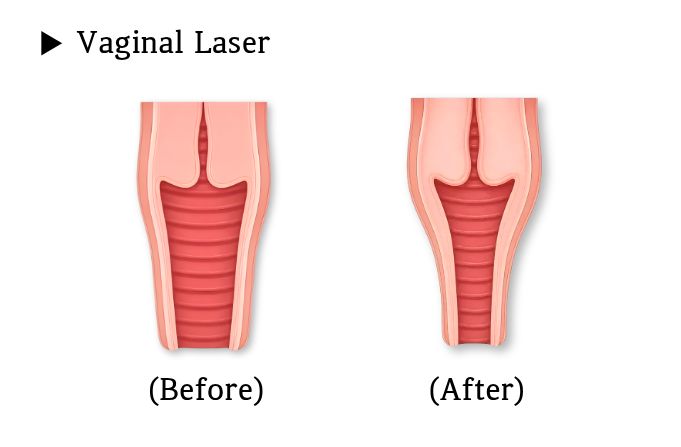
Vaginal laser treatment uses energy to stimulate the vaginal mucosa and surrounding tissues, supporting collagen regeneration and tissue renewal. Rather than focusing solely on tightening the vagina, the treatment aims to support overall vaginal tissue health.
The vaginal mucosa plays an important role in maintaining a healthy vaginal environment and protecting the body from harmful bacteria. For this reason, vaginal laser treatment can be considered as a treatment approach for certain vaginal health concerns rather than simply a cosmetic procedure.
2. When Should Vaginal Laser Treatment Be Considered?
1) Vaginal Laxity or a Feeling of Looseness
Childbirth and changes in the tissues over time may affect vaginal elasticity.
Some women may notice changes in sensation during intercourse, vaginal flatus (passing air) , or accompanying dryness.
2) Recurrent Vaginitis
Vaginitis can have various causes, and maintaining a healthy vaginal environment is also important.
Weakened vaginal mucosa or an imbalance in the vaginal flora may contribute to recurring discomfort.
However, vaginal laser treatment does not directly eliminate the bacteria or fungi that cause an active infection.
3) Vaginal Dryness
Vaginal dryness may cause stinging, burning, or discomfort during intercourse.
It can occur in women of various ages, including younger women and those approaching or going through menopause.
4) Postmenopausal Vaginal Atrophy
After menopause, decreased estrogen levels can cause the vaginal mucosa to become thinner and drier.
As a result, some women may experience irritation, pain, or minor bleeding even with mild friction.
5) Mild Stress Urinary Incontinence
Some women experience urine leakage when coughing, laughing, exercising, or climbing stairs.
Depending on the individual’s condition, vaginal laser treatment may be considered as one approach for mild stress urinary incontinence.
3. Can Vaginal Laser Treatment Cure Vaginitis?
One important misconception about vaginal laser treatment is that it can directly cure vaginitis.
Vaginal laser treatment does not directly cure an active vaginal infection.
If bacterial vaginitis or a yeast infection is present, appropriate medication based on the underlying cause should be prioritized.
Vaginal laser treatment may help support vaginal tissue health and the vaginal environment, but it should not be considered a treatment that eliminates vaginitis in a single session.
4. How Does Vaginal Laser Treatment Work?
Vaginal laser treatment delivers controlled energy to the vaginal tissue, stimulating collagen regeneration and tissue renewal.
This process is similar to how controlled energy treatments stimulate tissue regeneration in other areas of the body.
In addition to laser devices, other energy-based modalities such as radiofrequency (RF) and high-intensity focused ultrasound (HIFU) may also be used. Each modality differs in how deeply energy is delivered and in its overall characteristics.
5. Which Energy Device Is Best?
There is no single device that can be considered universally the best.
- Laser:Primarily targets the vaginal mucosa and may help stimulate tissue regeneration.
- Radiofrequency (RF):Uses thermal energy to support tissue elasticity and regeneration.
- Ultrasound (HIFU):Delivers focused energy to a targeted tissue layer.
Rather than focusing only on the device itself, it is important to consider the individual’s symptoms and tissue condition.
The treatment approach may differ depending on whether the main concern is vaginal dryness, laxity, atrophy, or mild urinary incontinence.
6. Key Considerations Before Treatment
It is essential to remember that vaginal laser treatment is not a one-size-fits-all solution for every vaginal health issue.
Vaginal dryness, recurrent vaginitis, vaginal laxity, postpartum changes, and postmenopausal vaginal atrophy can have different causes. Therefore, the appropriate treatment may vary from person to person.
Before treatment, it is important to have your symptoms and vaginal tissue condition evaluated and discuss the expected effects, limitations, and other available treatment options with a gynecologist.
Frequently Asked Questions (FAQ)
Q. Can vaginal laser treatment cure vaginitis?
A. No. Vaginal laser treatment does not directly cure an active infection. If vaginitis is present, appropriate medical treatment based on the underlying cause should be prioritized. Vaginal laser treatment may be considered to support vaginal tissue health and the vaginal environment.
Q. How soon can I resume sexual intercourse after treatment?
A. The recommended period may vary depending on the treatment method, device, and individual recovery. Generally, avoiding sexual intercourse for 3–7 days may be recommended to allow the vaginal mucosa to recover. Always follow the specific post-treatment instructions provided by your clinician.
Q. Is vaginal laser treatment painful?
A. The vaginal mucosa has relatively few nerve endings sensitive to pain, so discomfort is generally mild . However, sensitivity can vary depending on the treatment method and individual differences. It is recommended to discuss pain management with your clinician before treatment.
Vaginal laser treatment is not a one-time cure for vaginitis, but depending on the individual’s condition,
it may be considered for concerns such as vaginal dryness, atrophy, laxity, postpartum changes, and mild stress urinary incontinence.
Rather than focusing solely on the device itself, it is important to have your symptoms and vaginal tissue condition evaluated by a gynecologist and determine an appropriate treatment approach.
