


 KO
KO JP
JP CN
CN TH
TH VN
VN MG
MGCan Uterine Adhesions After Abortion Affect Future Pregnancy?
If you are considering or preparing for an abortion procedure, concerns about endometrial damage and future fertility are completely natural. One common worry is uterine adhesions (also known as Asherman’s syndrome), where scar tissue forms inside the uterine cavity following an intrauterine procedure.
To answer directly: Developing uterine adhesions does not necessarily mean you cannot get pregnant.
While severe scarring can impact fertility, mild adhesions may have little or no effect on fertility.
Understanding how adhesions form—and how different procedures may affect the risk—can help you make informed decisions about your reproductive health. Here is what research reveals.
1. What Are Uterine Adhesions (Asherman’s Syndrome)?
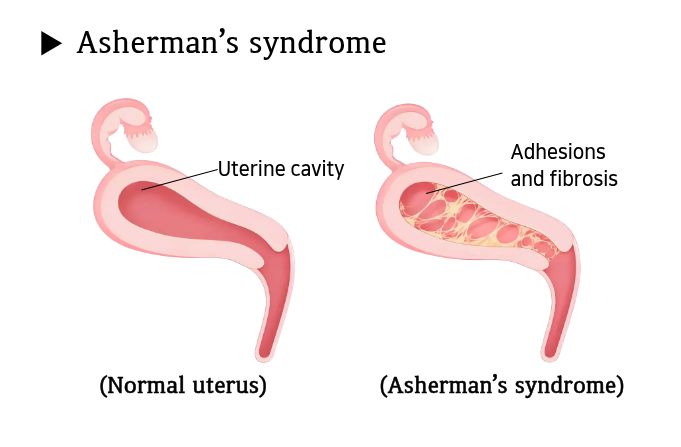
Uterine, or endometrial, adhesions occur when tissue inside the uterus attaches to itself, which can narrow or distort the uterine cavity.
- Primary Causes: Endometrial adhesions are a potential complication following curettage or other intrauterine procedures.
- Aggravating Factors: The risk may increase with repeated procedures, retained tissue, or an accompanying infection.
- Impact on Health: Depending on the extent and severity of the adhesions, they may affect menstrual flow or fertility.
2. How Common Are Adhesions After Curettage?
Reported rates of uterine adhesions vary among studies depending on patient characteristics and evaluation methods.
- After Miscarriage Care: Adhesions have been reported in approximately 16% to 20% of cases.
- After Repeated Curettage: Rates of up to 32%–40% have been reported.
- After Induced Abortion: Studies report an average rate of approximately 17%.
Note: These figures cannot be applied equally to every patient. Early studies often focused on higher-risk patients—such as those with miscarriages, repeated procedures, or infections—who were more likely to undergo active evaluation with hysteroscopy. In addition, some studies may include mild or asymptomatic adhesions that do not necessarily affect fertility.
3. Does Vacuum Aspiration Have a Lower Risk of Adhesions?
When considering future fertility, it is important to minimize damage to the endometrium and avoid unnecessary repeated procedures.
Studies have reported a lower risk of uterine adhesions with vacuum aspiration compared with curettage using metal instruments.
- Curettage with Metal Instruments: One large study reported an adhesion rate of approximately 37%.
- Ultrasound-Guided Vacuum Aspiration: The same study reported an adhesion rate of approximately 24.1%,
- with other literature reporting rates around 6%–16%.
Vacuum aspiration can help minimize unnecessary trauma to the endometrium,
particularly when performed with appropriate guidance.
4. Do Adhesions Make It Difficult to Get Pregnant?
Developing endometrial adhesions does not mean that pregnancy will be impossible.
What matters is the extent of the adhesions and the overall condition of the uterine cavity.
- Mild Adhesions: Mild adhesions may have less impact on the chances of pregnancy.
- Severe or Recurrent Adhesions: Extensive adhesions or significant distortion of the uterine cavity may reduce the likelihood of pregnancy. In one study, the pregnancy rate was approximately 59% among women with a normally maintained uterine cavity, compared with approximately 11% among those with recurrent adhesions.
- Post-Treatment Outcomes: Following hysteroscopic removal of adhesions, overall pregnancy rates have been reported to range from approximately 40% to 70%.
Rather than assuming pregnancy is impossible if adhesions occur,
it is important to evaluate the severity of the adhesions and the condition of the endometrium.
5. How to Preserve the Endometrium and Future Fertility
If you are considering an abortion procedure, keep these key points in mind regarding endometrial preservation and future fertility:
- Avoid Unnecessary Repeated Procedures: Because repeated curettage may increase the risk of adhesions, unnecessary repeat procedures should be avoided.
- Minimize Endometrial Damage: Efforts should be made to protect the endometrium during the procedure, considering options such as ultrasound guidance when appropriate.
- Manage Infection Risks: Proper infection management before and after the procedure is important to reduce the risk of complications.
- Personalized Evaluation: Rather than deciding that one procedure is universally better, the appropriate method should be chosen based on gestational age, uterine condition, and the presence of retained tissue.
Frequently Asked Questions (FAQ)
Q. Can vacuum aspiration damage the endometrium?
A. Any intrauterine procedure carries some risk of tissue damage, but it is important to perform the procedure in a way that preserves the endometrium as much as possible. The risk of adhesions may increase particularly with repeated procedures or when an infection is present.
Q. If I develop adhesions after curettage, will I be unable to get pregnant?
A. It depends on the extent of the adhesions. Mild adhesions may have less impact on fertility, while severe adhesions may affect the chances of pregnancy. If treatment is needed, hysteroscopic treatment may help restore the uterine cavity and may improve the chances of pregnancy.
Q. Does vacuum aspiration have a lower risk of adhesions than curettage?
A. Studies have reported a lower rate of endometrial adhesions with vacuum aspiration than with curettage using metal instruments. However, the appropriate procedure may vary depending on each patient’s individual condition.
