


 KO
KO JP
JP CN
CN TH
TH VN
VN MG
MGPremenstrual Syndrome (PMS) Symptoms, Causes, and Treatment Options
Premenstrual Syndrome (PMS) causes recurring physical and emotional symptoms before menstruation, including bloating, fatigue, irritability, and mood changes. Symptoms can be managed with lifestyle changes and medical treatment when needed.
“I feel like I turn into a completely different person before my period.”
“Whenever my period is approaching, I struggle with constipation one day and diarrhea the next.”
“I’m even surprised by how different I become.”
In the days leading up to menstruation, you may experience feelings of depression, anxiety, and irritability, as well as physical changes such as swelling, constipation, or diarrhea that you do not normally experience.
In particular, if physical symptoms such as headaches, fatigue, and abdominal discomfort, along with emotional changes such as depression, anxiety, irritability, and mood swings, repeatedly occur during the 1–2 weeks before menstruation,
they may be associated with Premenstrual Syndrome (PMS).
1. What is Premenstrual Syndrome (PMS)?
Premenstrual Syndrome (PMS) refers to a condition in which physical and psychological symptoms occur before menstruation.
Symptoms can vary significantly from person to person.
Some individuals may experience only one symptom, while others may experience several symptoms at the same time.
Common physical symptoms include headaches, fatigue, abdominal pain, bloating or a feeling of gas, nausea, and breast swelling and tenderness. You may also experience an increased appetite and cravings,
swelling in the arms, legs, or other parts of the body, temporary weight gain, or joint and muscle pain.
Psychological symptoms can also occur.
You may experience increased feelings of depression or lethargy, sudden anger, irritability, or emotional changes. Anxiety, difficulty concentrating, changes in libido, and sleep disturbances may also occur.
2. What Are the Symptoms of Premenstrual Syndrome?
During the 1–2 weeks before menstruation, you may experience not only physical changes but also emotional changes.
The symptoms of PMS can generally be divided into physical and psychological symptoms.
Physical Symptoms
Physical symptoms may include an increased appetite or food cravings, sometimes leading to overeating. Some individuals may also experience temporary weight changes of several kilograms due to fluid retention.
Swelling in the joints or other parts of the body, generalized body aches, and muscle pain may also occur.
Psychological Symptoms
Psychological symptoms may include depression, lethargy, sudden anger, anxiety, and increased irritability. You may also notice changes that are different from your usual state, such as difficulty concentrating or changes in sexual desire, including increased or decreased libido.
Sleep quality may also deteriorate, and some individuals may experience significant insomnia.
For those with more severe symptoms, PMS can affect work, academic activities, and family life.
When these emotional changes become particularly severe, they may also make interpersonal relationships more difficult.
In such cases, it is important to pay attention to the pattern and severity of your symptoms.
3. How Is Premenstrual Syndrome Diagnosed?
Diagnosis typically involves checking for specific patterns in your cycle:
Physical or emotional symptoms appear about 5 days before your period and subside within 4 days after it begins.
This pattern disappears until the next cycle and repeats for at least 2 consecutive cycles.
4. What Causes Premenstrual Syndrome?
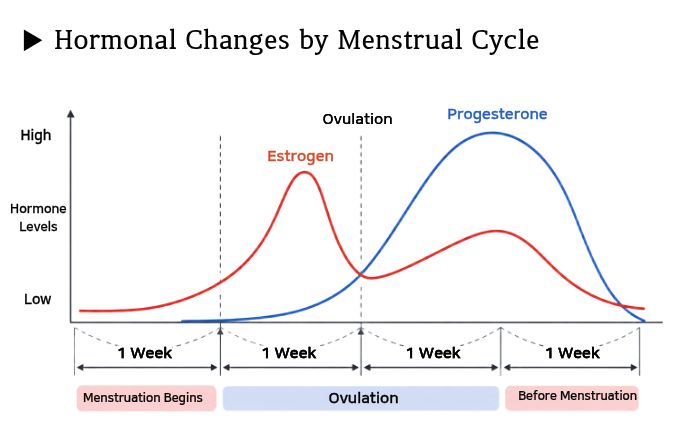
The exact cause of PMS has not yet been fully established.
However, it is thought to be associated with a combination of hormonal fluctuations during the menstrual cycle,
changes in neurotransmitter activity, and genetic factors.
1) Hormonal Changes
Hormones such as estrogen and progesterone naturally fluctuate throughout the menstrual cycle.
After ovulation, progesterone levels increase and then decline as menstruation approaches. These normal hormonal fluctuations may contribute to physical and emotional changes in individuals who are particularly sensitive to them.
2) Changes in Neurotransmitters
Changes in hormonal levels may also affect neurotransmitter systems, including serotonin.
Serotonin plays an important role in regulating mood, emotions, and sleep. Changes in serotonin activity may contribute to mood changes, fatigue, and sleep disturbances associated with PMS.
3) Genetic Factors
Genetic and familial factors may also influence an individual’s susceptibility to PMS.
If a family member has experienced severe PMS or menstrual symptoms, there may be a greater tendency to experience similar symptoms. This may be related, in part, to inherited differences in sensitivity to hormonal and neurotransmitter changes.
5. How Is Premenstrual Syndrome Treated?
The goal of PMS treatment is to relieve symptoms and reduce their impact on daily life.
Lifestyle changes, including a balanced diet, adequate hydration, regular exercise, stress management,
and sufficient sleep, may help manage symptoms.
When symptoms are severe, medications such as NSAIDs, oral contraceptives,
or SSRIs may be considered depending on the individual’s symptoms and condition.
Supplements such as calcium, magnesium, and vitamin B6 may also help some individuals, but should be discussed with a healthcare professional. Symptoms before menstruation do not always indicate PMS. Conditions such as endometriosis or adenomyosis can cause similar symptoms. If symptoms are persistent or severe, consult a gynecologist for an accurate evaluation and appropriate treatment.
Frequently Asked Questions (FAQ)
Q. Is premenstrual bloating and weight gain a symptom of PMS?
A. Yes. Fluid retention causing swelling in the limbs or body, along with temporary weight gain, is a recognized symptom of PMS.
Q. Does PMS go away once my period starts?
A. Typically, yes. A key characteristic of PMS is that symptoms appear before menstruation and improve once bleeding begins. Tracking whether this pattern recurs each month is essential.
Q. Do PMS symptoms lessen with age?
A. For some women, PMS symptoms ease as they get older. However, responses vary widely, so this is not true for everyone.
If the physical and emotional changes you experience before your period repeatedly make daily life difficult,
you do not have to simply endure them. Keeping track of your menstrual cycle and symptoms,
making appropriate lifestyle adjustments, and receiving treatment when necessary can help manage PMS symptoms.
However, because other medical conditions can cause similar symptoms,
if your symptoms recur every month or are particularly severe,
it is recommended to consult a gynecologist for an accurate diagnosis and appropriate treatment.
- 이전글Labial Hypertrophy: Symptoms, Pain & Discomfort 26.08.20
- 다음글Vaginal Filler Risks and Side Effects: What to Know 26.08.18
