


 KO
KO JP
JP CN
CN TH
TH VN
VN MG
MGMedical Abortion: Timing, Procedure, Side Effects, and Precautions
Before a medical abortion, ultrasound and blood tests are required to accurately confirm the gestational age, location, and status of the pregnancy. Bleeding, abdominal pain, nausea, vomiting, diarrhea, and fever may occur after the medication is administered, and follow-up testing is essential to confirm that the pregnancy tissue has been completely expelled. Medical abortion should be performed under medical supervision, with follow-up ultrasound examinations and pregnancy hormone testing.
We have prepared this article to answer some of the most common questions
asked by patients considering abortion due to an unintended pregnancy.
Based on our extensive clinical experience, we frequently receive questions about the process, side effects, and safety of medical abortion.
Pregnancy progresses day by day, bringing continuous changes to a woman’s body.
Therefore, when a decision to terminate a pregnancy has been made, it is important to seek medical care as early as possible.
Today, we will discuss the process, potential side effects, and safety of medical abortion,
along with the key points you should understand before proceeding.
1. What Is a Medical Abortion?
A medical abortion is a method of ending a pregnancy using medication without surgery.
It is generally performed during early pregnancy, typically before seven weeks of gestation,
and may be managed safely on an outpatient basis under appropriate medical supervision.
One medication currently used in Korea is Methotrexate (MTX).
MTX inhibits the growth of pregnancy-related cells by interfering with folate metabolism.
This medication is usually administered as a buttock muscle injection, one or several times depending on the condition.
One advantage is that it reduces fallopian tube damage, helping to preserve future fertility.
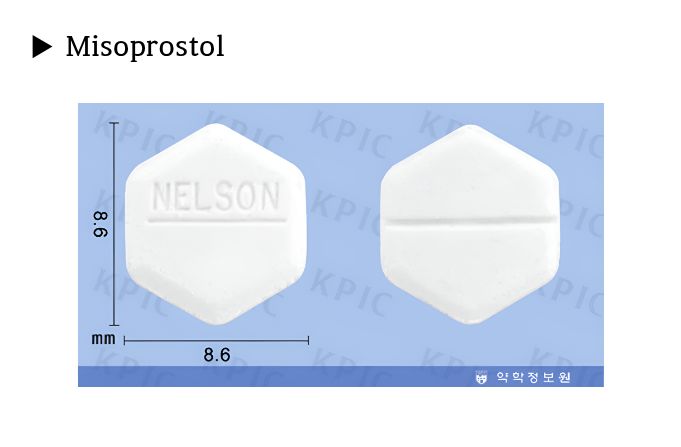
It may be used together with Misoprostol, a medication that causes strong uterine contractions and
helps the pregnancy tissue pass from the uterus.
When MTX and Misoprostol are used in combination, the expulsion rate may increase,
with reported success rates of approximately 95–97%.
2. How Is a Medical Abortion Performed?
The medical abortion process can generally be divided into four stages.
1) Confirming Gestational Age and Pregnancy Status
An ultrasound examination is first performed at a medical facility to accurately determine the gestational age
and assess the location and status of the pregnancy.
A blood test may also be conducted to measure human chorionic gonadotropin (HCG) levels and confirm the pregnancy.
Patients are also informed about possible side effects and emergency precautions before providing consent for treatment.
2) Administration of MTX
The second stage involves administering MTX.
It may be given by intramuscular or intravenous injection,
either once or twice, depending on the patient’s condition and the physician’s assessment.
MTX begins the process by inhibiting the growth of pregnancy-related cells.
3) Administration of Misoprostol
Misoprostol is then administered in tablet or vaginal suppository form.
This medication causes the uterus to contract, helping the pregnancy tissue pass from the uterus.
4) Confirming Complete Expulsion
Careful follow-up is essential after the medication has been administered.
Ultrasound examinations and HCG blood tests are generally performed
at appropriate intervals to confirm that the pregnancy tissue has been completely expelled.
If the medical abortion is unsuccessful or retained pregnancy tissue remains inside the uterus, a surgical procedure may be required.
For safety, every stage of this process should be completed under the supervision of qualified medical professionals.
3. Possible Side Effects of Medical Abortion
What side effects can occur after a medical abortion?
1) Bleeding
Bleeding may continue for one week and, in some cases, for as long as one month.
Heavy bleeding may rarely occur, so it is important to monitor both the amount of bleeding and how long it continues.
2) Abdominal Pain and Gastrointestinal Symptoms
After misoprostol is administered, more than 30% of patients may experience abdominal pain or gastrointestinal discomfort.
Because the medication can stimulate intestinal movement, nausea, vomiting, or diarrhea may occur.
A temporary fever may also develop, although these symptoms usually improve within a short period.
Infection may also occur in rare cases.
3) Failed Medical Abortion or Retained Tissue
An unsuccessful abortion or retained pregnancy tissue is one of the complications patients are often most concerned about.
A medical abortion is considered complete only when the pregnancy tissue has been fully expelled.
If the body does not respond adequately to the medication or tissue remains inside the uterus,
an additional surgical procedure may be necessary.
Although this occurs only in a small proportion of cases, follow-up examinations are essential.
4. How Can a Medical Abortion Be Performed Safely?
It is advisable to visit a medical facility during early pregnancy, preferably within the first seven weeks.
The earlier the gestational age, the greater the likelihood of successful treatment and the fewer pregnancy-related physical changes the body may have undergone. A medical abortion should therefore be considered only after consultation with a qualified healthcare provider.
Some patients obtain medication illegally online and take it without medical supervision.
If the abortion is unsuccessful, they may mistakenly believe that the pregnancy has ended and seek medical attention only after the pregnancy has progressed considerably.
In such cases, delayed care may increase the risk of infection, heavy bleeding, and serious uterine complications.
For this reason, follow-up ultrasound examinations and hCG blood tests are necessary to confirm that all pregnancy tissue has passed and that the body has returned from a pregnant to a non-pregnant state. The most important principles of a safe medical abortion are receiving care at a medical facility and fully understanding the procedure, possible side effects, and required follow-up.
5. Can a Medical Abortion Affect a Future Pregnancy?
In general, undergoing a medical abortion does not cause the body to develop resistance to the medication.
It also does not mean that fertility will be reduced in a future pregnancy with the same partner.
However, special attention may be required for women with the relatively rare Rh-negative blood type.
If an Rh-negative woman becomes pregnant with an Rh-positive fetus, Rh sensitization may occur and lead to antibody formation.
These antibodies can affect a future pregnancy.
