


 KO
KO JP
JP CN
CN TH
TH VN
VN MG
MGVaginal Tightening Surgery Is Not Just About Narrowing: 4 Things to Kn…
When considering vaginal tightening surgery (vaginoplasty),
one of the most common questions patients ask during an initial consultation is:
"Is vaginal tightening surgery simply a procedure to make the vagina narrower?"
The answer is no.
Vaginal tightening surgery, also known as vaginoplasty, is not simply a procedure focused on reducing vaginal diameter.
Many women consider vaginoplasty after childbirth or age-related changes, experiencing concerns such as vaginal laxity,
changes in vaginal sensation, or discomfort related to changes in pelvic support.
However, effective vaginal reconstruction involves much more than removing excess tissue or narrowing the vaginal opening.
A well-planned procedure focuses on understanding the underlying anatomical structures that support the pelvic floor and vaginal function. Understanding the purpose, techniques, and limitations of vaginoplasty is an important step before making a treatment decision.
Here are four important factors every woman should understand before considering vaginal tightening surgery.
Q1. What Is the Primary Goal of Vaginal Tightening Surgery?
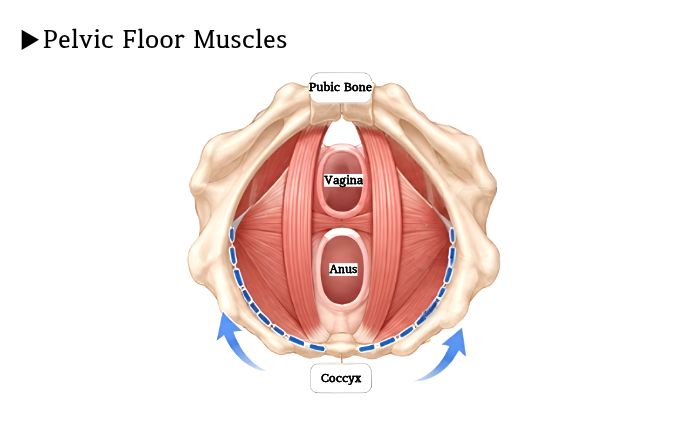
The vagina is supported by a complex network of anatomical structures that help maintain stability, function, and support:
·Vaginal mucosa: The inner lining of the vagina
·Fascial layer:Connective tissue that provides structural support
·Pelvic floor muscles: The muscle system that supports pelvic organs
·Perineal body:A supportive fibromuscular structure between the vagina and anus that plays an important role in pelvic floor stability
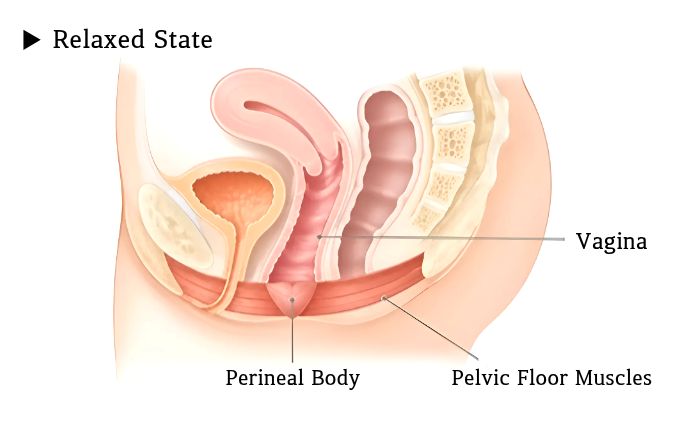
After vaginal childbirth, aging, or significant tissue stretching, these supporting structures may become weakened or stretched, which can contribute to symptoms of vaginal laxity.
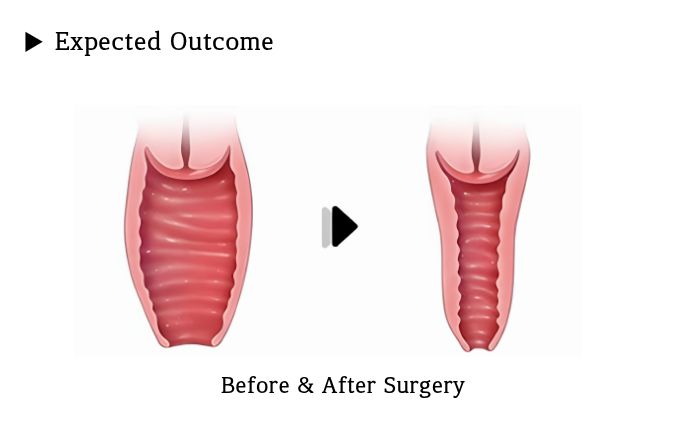
Effective vaginoplasty should not rely solely on removing excess tissue. Instead, the goal is to restore weakened supporting structures and improve anatomical balance by addressing the underlying causes of laxity.
For this reason, a detailed understanding of pelvic anatomy is one of the most important factors when planning vaginal reconstruction.
Q2. Is the Same Surgical Technique Suitable for Every Patient?
No.
Although many women experience similar concerns,
the underlying causes of vaginal laxity can vary significantly between individuals.
Common contributing factors include:
·Tissue stretching after vaginal delivery
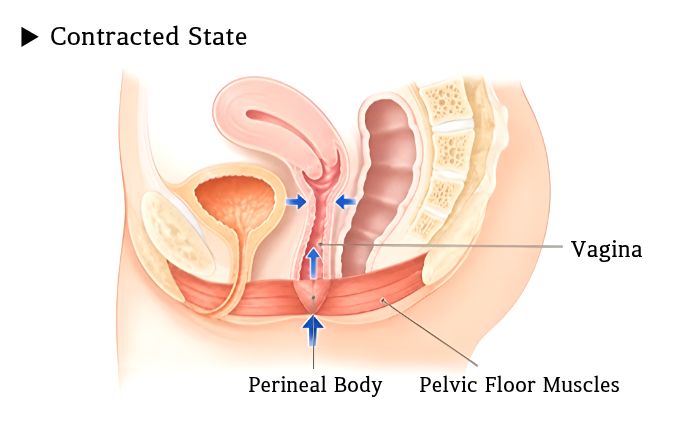
·Stretching, weakening, or changes in pelvic floor muscle support after childbirth
·Age-related changes in collagen and tissue elasticity
·Individual differences in connective tissue characteristics
Because every patient's anatomy and condition are unique, vaginal tightening surgery should be considered based on the specific cause of tissue changes.
A comprehensive evaluation of pelvic structures and an individualized surgical plan are important steps in determining the appropriate approach.
Q3. Does More Tightening Always Mean Better Results?

Not necessarily.
Some patients believe that achieving the tightest possible result will provide the best outcome. However, excessive tightening may affect comfort and natural function.
Potential concerns related to over-tightening may include:
·Dyspareunia:Pain or discomfort during intercourse
·Persistent discomfort caused by excessive tension
·Reduced tissue elasticity
·Increased tension that may influence the healing process
The goal of vaginoplasty is not to create excessive tightness, but to restore appropriate anatomical support while maintaining comfort, flexibility, and function.
A successful outcome requires a balance between structural support and natural physiological function.
Q4. Is Surgery Always Necessary?
No.
Not every woman experiencing vaginal laxity requires surgical treatment. Depending on the severity of symptoms and the underlying cause, other approaches may be considered.
Possible options include:
·Conservative Management:Pelvic floor muscle exercises, including targeted Kegel exercises
·Non-Surgical Treatments:Energy-based treatments, such as laser or radiofrequency therapy, may be considered in selected cases depending on individual circumstances
However, when significant changes in pelvic support, severe post-childbirth laxity, or structural changes are present, surgical reconstruction may be considered as one treatment option after a thorough evaluation.
Key Takeaways Before Making Your Decision
1. Vaginoplasty Is About Reconstruction, Not Simply Narrowing
The goal of vaginal tightening surgery is to understand and address changes in supporting structures, including fascia, pelvic floor muscles, and the perineal body.
2. Every Patient Requires an Individualized Approach
Treatment decisions should be based on each patient's anatomy, symptoms, and underlying causes rather than a one-size-fits-all approach.
3. Balance Is More Important Than Extreme Tightness
Maintaining natural flexibility, comfort, and function is an important part of achieving an anatomically appropriate result.
4. A Specialist Evaluation Is the First Step
A detailed consultation with a specialist who understands pelvic anatomy can help identify the most appropriate approach based on individual conditions and concerns.
Make an Informed Decision About Your Vaginal Health
If you are considering vaginal tightening surgery (vaginoplasty), understanding your own pelvic anatomy and discussing your concerns with a specialist are important steps in choosing an appropriate treatment approach.
Rather than focusing only on narrowing, vaginal reconstruction should be considered from the perspective of restoring anatomical support and maintaining natural function.
